
Tahir: Returning Home Without a Clear Path to Restart
After 12 years of living and working in Iran, Tahir returned to Afghanistan. Although he had managed to support his family during migration, his return left him facing major challenges, including unemployment, financial insecurity and uncertainty about rebuilding his life. His story shows that return is not only about crossing a border; it requires preparation for life after return.
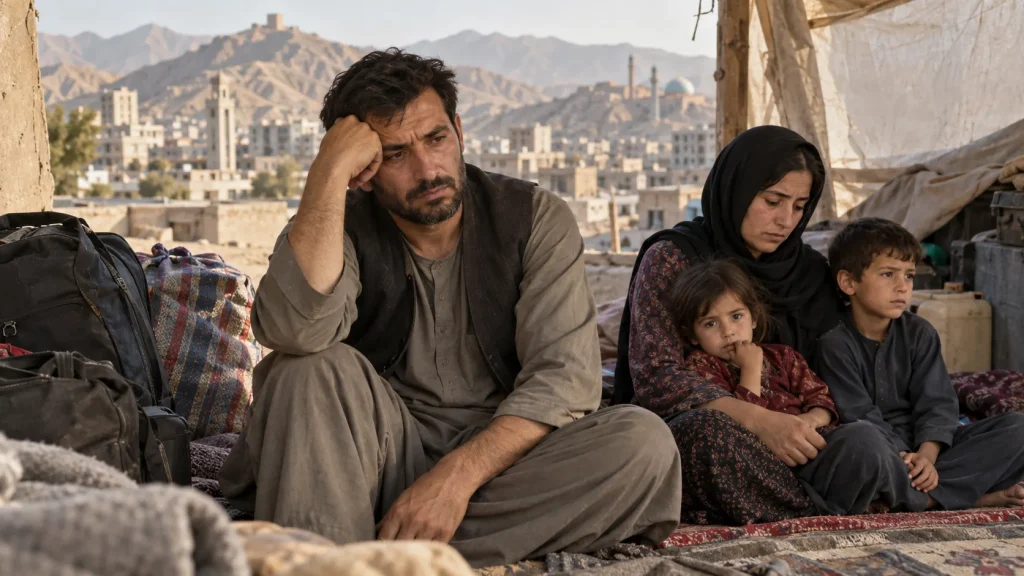
The return journey
Tahir, a 35-year-old Afghan man, spent approximately 12 years living and working in Iran. He migrated with his family mainly because of economic difficulties and limited employment opportunities in Afghanistan.
During his years in Iran, Tahir worked in different labor jobs and tried to provide a stable life for his family. Despite the challenges of living as a migrant, he was able to earn an income and support his household.
However, returning to Afghanistan was not easy.
After return, Tahir faced a reality he was not fully prepared for. He returned with limited resources and without the economic stability he had gradually built during his years abroad.
One of his biggest challenges was finding employment. After returning, he spent time searching for work, but limited job opportunities created significant uncertainty about how he could support his family.
He also experienced emotional and psychological pressure related to migration and return. Leaving behind a life built over many years and facing uncertain conditions in Afghanistan made the transition difficult for him and his family.
Tahir’s experience shows that successful return is not only about physically returning to the country of origin. Returnees need preparation and planning before return:
Where will they live?
How will they earn an income?
What skills can they use?
What support networks exist in their destination community?
Why return?
Tahir returned to Afghanistan after years in Iran due to difficult economic and migration conditions.
However, his return happened without sufficient preparation for the challenges of rebuilding life afterward.
Challenges after return
Lack of stable employment
Loss of previous income sources
Returning with limited financial resources
Pressure to support his family
Psychological stress caused by major life changes
Lack of a clear restart plan
The restart point
Tahir’s restart journey remained challenging.
He tried to:
Find new employment opportunities.
Adapt to new living conditions.
Create a way to support his family.
His experience highlights that many returnees face a difficult adjustment period before achieving stability.
Lessons for others
Returning without preparation can increase post-return challenges.
Having a skill is not enough; understanding destination opportunities is also important.
Planning for the first months after return is essential.
Housing, social networks and livelihood opportunities play a key role in successful reintegration.